
In many industries, head protection is not just a workplace requirement—it is a basic responsibility. From construction sites and road projects to factories, warehouses, utilities, and mining operations, workers face daily risks from falling objects, bumps, electrical hazards, and harsh outdoor conditions. For overseas buyers, importers, and wholesalers, choosing the right safety helmet means more than selecting a product that looks acceptable. It means offering reliable protection, stable quality, market-ready designs, and long-term value for customers.
A good safety helmet can help reduce injury risks, improve worker confidence, and support compliance with local safety standards. At the same time, buyers need products that are durable, comfortable, easy to customize, and suitable for different job sites. This guide explains the key points to consider when sourcing safety helmets for international markets.
Understand the Main Purpose of a Safety Helmet
The primary function of a safety helmet is to protect the wearer’s head from impact and penetration hazards. On construction sites, workers may be exposed to falling tools, building materials, branches, stones, or equipment parts. In factories and warehouses, head injuries may come from low beams, moving machinery, or accidental collisions. In roadwork and municipal projects, visibility and comfort are also important because workers often spend long hours outdoors.
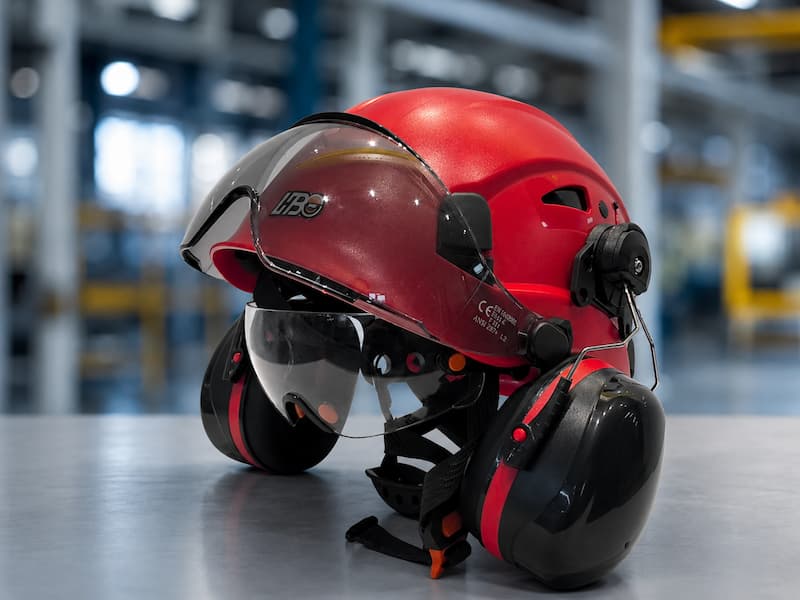
For buyers and wholesalers, it is important to understand the application before choosing a helmet model. A basic industrial safety helmet may be suitable for general construction, while electrical work may require helmets with specific insulation performance. Outdoor projects may need UV-resistant materials, ventilation holes, chin straps, or reflective accessories. High-risk jobs may require additional features such as face shields, earmuff slots, or full-brim designs.
When a product is matched correctly to the working environment, it is easier to sell and easier for end users to trust.
Pay Attention to Material and Shell Strength
The shell is one of the most important parts of a safety helmet. Common helmet shell materials include ABS, HDPE, and PP. ABS helmets are often valued for their strong impact resistance, smooth surface, and premium appearance. HDPE helmets are lightweight, durable, and widely used in industrial and construction applications. PP helmets are often more economical and suitable for cost-sensitive projects.
Overseas buyers should consider both performance and market positioning. If your customers focus on large construction projects, industrial plants, or government tenders, ABS or high-quality HDPE helmets may be more attractive. If your market needs affordable head protection for general labor use, a standard PP or HDPE model may offer better price competitiveness.
Besides the shell material, the design also matters. A strong helmet should have a stable shape, clean edges, smooth finishing, and enough thickness to handle regular site use. The helmet should not feel too soft or fragile. For wholesale orders, consistent shell quality is especially important because buyers expect every batch to meet the same level of reliability.
Comfort Is a Key Factor for Repeat Orders
A safety helmet only works well when workers are willing to wear it properly. If the helmet is too heavy, too hot, or uncomfortable, workers may loosen it, remove it, or wear it incorrectly. This creates safety risks and reduces customer satisfaction.
Comfort depends on several details. The suspension system should fit securely and distribute impact force. A ratchet adjustment system is popular because workers can easily adjust the size with one hand. A soft sweatband helps absorb moisture and improves comfort in hot weather. Ventilation holes can also be useful for outdoor workers, especially in warm climates.
Weight is another factor. A lightweight safety helmet is easier to wear for long shifts, but it still needs to maintain enough strength. The balance between protection and comfort is important for markets such as Southeast Asia, the Middle East, Africa, South America, and other regions where workers often operate in hot outdoor environments.
For wholesalers, comfort can become a strong selling point. When end users feel the difference, they are more likely to reorder the same model.
Check Standards and Market Requirements
Different countries and regions may have different safety requirements. Buyers should always confirm the target market’s standards before placing bulk orders. Common safety helmet standards include ANSI standards for the United States, EN standards for Europe, and other national or regional regulations depending on the destination market.
Compliance is especially important for professional distributors, large contractors, and government procurement. A helmet that looks good but does not meet the required standard may create problems during inspection or project delivery. For importers, certificates, test reports, product markings, and packaging information can all influence buyer confidence.
When sourcing from a manufacturer, ask clearly about available certifications, testing methods, and quality control procedures. A reliable supplier should be able to provide consistent product information and support documents. For private label customers, it is also important to confirm whether logos, labels, instructions, and packaging can be designed according to local requirements.
A safety helmet is a protective product, so documentation and trust matter as much as price.
Consider Customization for Branding and Wholesale Sales
Customization is one of the biggest advantages for overseas wholesalers and distributors. A safety helmet can be customized in many ways, including color, logo printing, reflective stickers, packaging, chin straps, ventilation design, and accessories.
Color is often used to identify different job roles on a worksite. For example, white may be used for engineers or supervisors, yellow for general workers, blue for technical staff, and red or orange for visitors or emergency teams. Although color meanings may vary by country and company, offering multiple color options helps buyers serve different customer groups.
Logo printing is also valuable for construction companies, industrial brands, safety equipment distributors, and promotional projects. A clear company logo on the helmet improves brand visibility and creates a professional team image. For wholesalers, private label service can help build stronger market recognition and better profit margins.
Packaging customization should not be ignored. A well-designed carton, product label, or instruction sheet can make the product easier to sell in retail, online, and project supply channels. Good packaging also helps protect the helmets during long-distance shipping.
Evaluate Supplier Capability and Long-Term Value
For international buyers, choosing the right supplier is just as important as choosing the right safety helmet. Price matters, but the lowest price is not always the best choice. Poor quality, unstable production, delayed delivery, or unclear communication can create hidden costs.
A dependable supplier should offer stable production capacity, strict quality inspection, clear product specifications, and responsive communication. Before ordering in large quantities, buyers can request samples to check material, weight, fit, color, logo effect, and packaging quality. It is also useful to confirm lead time, minimum order quantity, payment terms, and shipping options.
Long-term cooperation often brings better value. A professional manufacturer can help buyers develop new models, adjust designs for different markets, and support seasonal or project-based orders. For wholesalers, this flexibility can make it easier to respond to customer needs and expand product lines.
A good safety helmet supplier should not only sell a product, but also help buyers build a reliable head protection business.
Conclusion
Choosing the right safety helmet requires attention to protection, comfort, materials, standards, customization, and supplier reliability. For overseas procurement teams, importers, and wholesalers, the best helmet is not simply the cheapest one. It should match the working environment, meet market requirements, provide comfortable daily use, and support branding or bulk sales needs.
As workplace safety continues to receive more attention around the world, demand for high-quality safety helmets remains strong across construction, industrial, municipal, and utility sectors. By selecting the right products and working with a reliable manufacturer, buyers can offer better protection to workers while building a stronger and more competitive safety equipment business.