
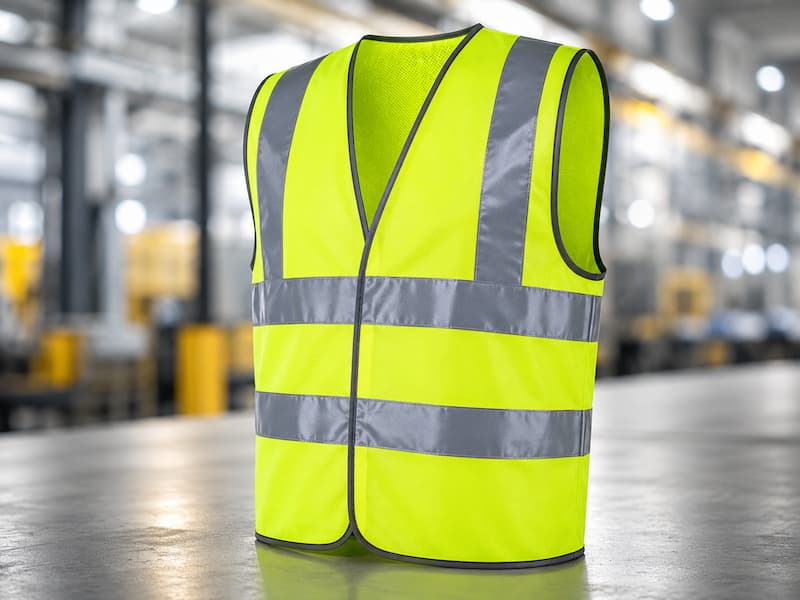
Visibility is one of the most important parts of workplace safety. In busy construction areas, road maintenance zones, warehouses, factories, ports, and emergency work sites, workers often operate around vehicles, heavy equipment, poor lighting, dust, rain, or other visual distractions. A reflective vest helps make workers easier to see, reducing the risk of accidents and improving overall site management.
For overseas buyers, importers, wholesalers, and safety equipment distributors, choosing the right reflective vest is not only about price. The product must match different working environments, meet market expectations, offer comfortable daily wear, and support bulk purchasing needs. A well-designed reflective vest can serve many industries, making it a strong product category for B2B sales.
This guide explains the key factors to consider when sourcing reflective vests for international markets.
1. Understand the Main Function of a Reflective Vest
The main purpose of a reflective vest is to improve worker visibility. It uses bright fluorescent fabric and reflective tape to help people stand out in both daytime and low-light conditions. During the day, high-visibility colors such as yellow, orange, and lime green make the wearer more noticeable. At night or in dark environments, reflective strips return light from vehicle headlights, flashlights, or work lamps, helping drivers and equipment operators identify workers from a distance.
Reflective vests are commonly used in road construction, traffic control, logistics, security, sanitation, mining, parking management, and industrial maintenance. They are also widely used by volunteers, event staff, airport workers, utility teams, and emergency responders.
For wholesalers, this wide range of applications makes reflective vests a practical product for many customer groups. A basic vest may be suitable for short-term visitors or low-risk areas, while a higher-grade vest may be needed for roadwork, night work, or heavy industrial sites. Understanding the end-use scenario helps buyers select the right material, color, reflective tape, closure type, and safety standard.
2. Choose the Right Fabric for Different Markets
Fabric quality has a direct impact on comfort, durability, and customer satisfaction. The most common materials for reflective vests include polyester mesh, knitted polyester, and Oxford fabric.
Polyester mesh is lightweight and breathable, making it popular in hot climates or outdoor work environments. Workers can wear it for long hours without feeling too restricted. This type of reflective vest is often used in construction, logistics, roadwork, and general safety applications.
Knitted polyester fabric feels smoother and may offer a more professional appearance. It is suitable for security teams, site supervisors, warehouse workers, and customers who want a balance between comfort and durability.
Oxford fabric is stronger and more wear-resistant. It is often used for higher-end vests, multi-pocket safety vests, and industrial workwear. This material is suitable for customers who need longer service life or extra storage functions.
For importers and distributors, the fabric choice should match the target market. In tropical regions, breathable mesh may be more attractive. In cooler regions or more demanding work sites, heavier fabric may be preferred. Buyers should also check the fabric weight, stitching quality, color brightness, shrinkage performance, and hand feel before confirming bulk orders.
3. Pay Attention to Reflective Tape Quality
Reflective tape is the most important safety feature of a reflective vest. It determines how well the vest performs under headlights or other light sources. A good reflective tape should be bright, firmly attached, smooth on the surface, and resistant to peeling after normal use.
Common tape designs include horizontal stripes, vertical stripes, shoulder stripes, and full-body patterns. The most popular layout is two vertical reflective strips over the shoulders plus one or two horizontal strips around the body. This design helps outline the human shape, making the worker easier to recognize in low-light environments.
Buyers should consider both visibility and durability. Some low-cost reflective tape may look acceptable at first but lose brightness quickly after washing, bending, or outdoor exposure. For professional safety markets, this can lead to customer complaints and repeat-order problems.
Before ordering in bulk, overseas buyers can request samples and test the reflective effect under strong light. It is also useful to check whether the tape is sewn or heat-transferred. Sewn tape is common and durable, while heat-transfer tape can look cleaner and feel lighter, depending on the fabric and production method.
4. Consider Design, Fit, and Practical Features
A reflective vest should be easy to wear, easy to adjust, and suitable for different body types. For wholesale buyers, simple sizing and practical design are important because customers may purchase large quantities for mixed teams.
Common closure types include Velcro, zipper, and buckles. Velcro is economical and easy to use, making it suitable for basic safety vests and visitor vests. Zipper closures provide a more secure fit and are often used for higher-quality work vests. Buckles or adjustable straps may be suitable for special designs, outdoor use, or emergency applications.
Pockets are another useful feature. Many customers prefer multi-pocket reflective vests for supervisors, engineers, surveyors, security staff, and utility workers. Pockets can hold pens, phones, ID cards, radios, tools, notebooks, or small accessories. For some markets, transparent ID card holders and radio loops can increase product value.
Fit also matters. A vest that is too tight may limit movement, while one that is too loose may create safety risks around machinery. Offering multiple sizes, from small to extra-large, can help wholesalers serve different customers. Some buyers may also prefer one-size adjustable vests for easier inventory management.
5. Check Safety Standards and Market Requirements
Different countries and industries may require specific high-visibility safety standards. For example, customers in Europe may ask for EN ISO high-visibility requirements, while buyers in North America may look for ANSI-style classifications. Other regions may have their own workplace safety expectations or project-based requirements.
For B2B buyers, standards are especially important when selling to contractors, government projects, roadwork companies, mining operations, or large industrial customers. A reflective vest without proper certification may be acceptable for general use, but it may not be suitable for regulated work environments.
When sourcing from a manufacturer, buyers should ask about available test reports, certificates, material specifications, and product markings. The label, packaging, and instruction information should also match the target market’s needs. If the vest is intended for professional safety use, clear documentation can make the product easier to sell and easier for customers to trust.
It is also important to confirm wash performance. Some customers require reflective vests that can maintain visibility after repeated washing. For distributors, this detail can help separate reliable products from low-cost products with unstable quality.
6. Customization Helps Build Brand Value
Reflective vests are highly suitable for customization. Overseas wholesalers and importers can offer different colors, logo printing, reflective tape layouts, pocket designs, packaging styles, and fabric options. This makes the product attractive for private label projects, company uniforms, promotional safety campaigns, and tender supply.
Logo printing is one of the most common customization services. Construction companies, logistics brands, event organizers, security teams, and government departments often need their names or logos printed on the vest. A clear logo improves team recognition and creates a more professional image on site.
Color customization is also useful. Yellow and orange are the most common high-visibility colors, but some customers may request blue, red, green, or black combined with reflective tape for specific departments or brand identity. While non-fluorescent colors may not offer the same daytime visibility, they can still be used for lower-risk applications, staff identification, or promotional use.
Packaging customization can also improve sales. For retail or online channels, individual polybags, barcode labels, instruction cards, and branded cartons can make the product more market-ready. For project supply, bulk packing may reduce cost and simplify delivery.
Conclusion
A reflective vest is a simple product, but it plays an important role in workplace safety. For overseas buyers, importers, and wholesalers, the best choice should combine visibility, comfort, durability, compliance, and customization options. By understanding the target application, selecting the right fabric, checking reflective tape quality, and confirming safety requirements, buyers can reduce purchasing risks and offer more reliable products to their customers.
As construction, logistics, infrastructure, traffic management, and industrial projects continue to grow worldwide, demand for high-visibility workwear remains strong. A well-made reflective vest can serve many markets and customer groups, making it a practical and profitable product for safety equipment distributors. Working with a reliable manufacturer also helps buyers maintain stable quality, support private label needs, and build long-term business value in the global safety products market.