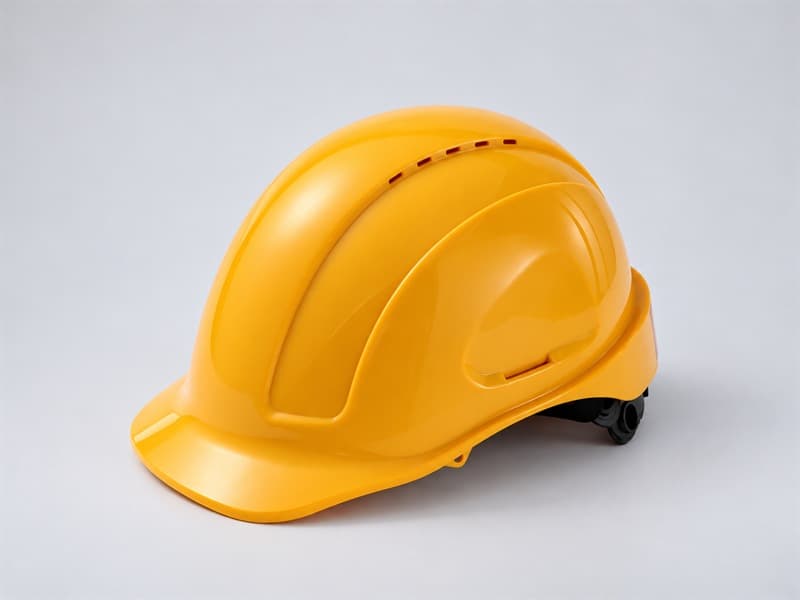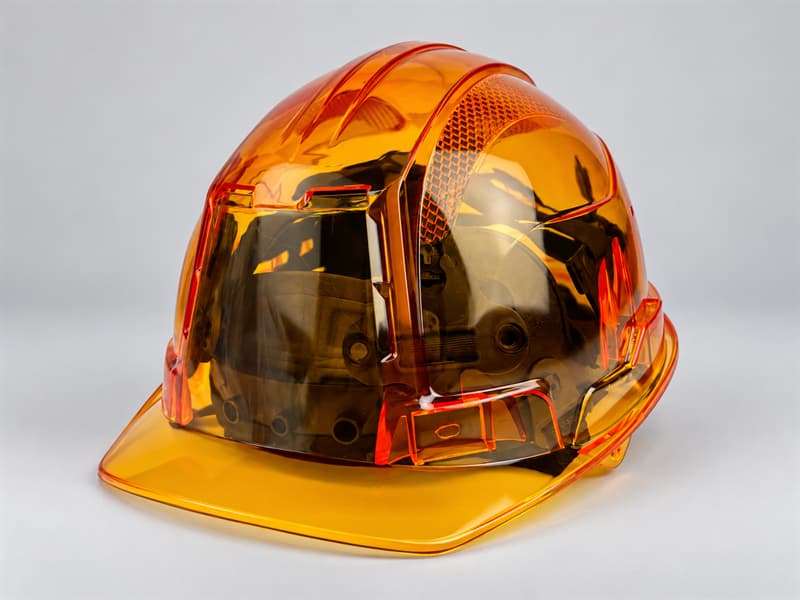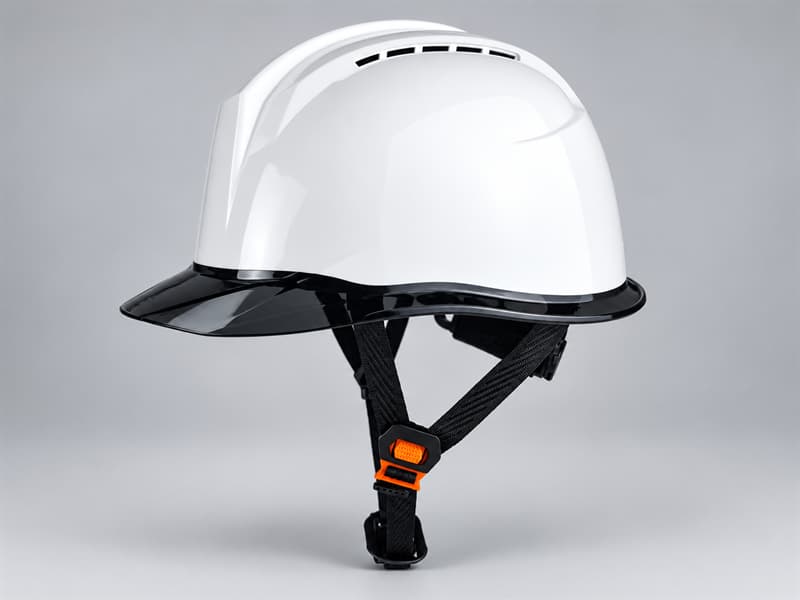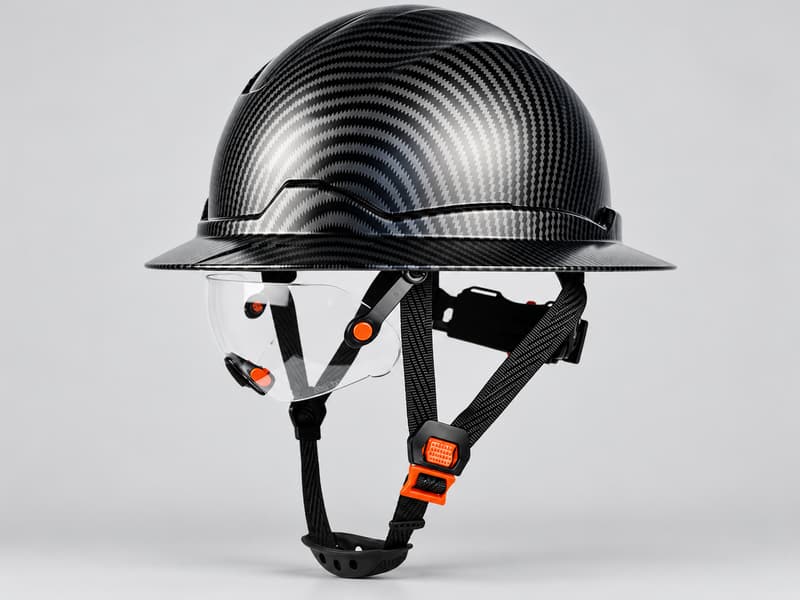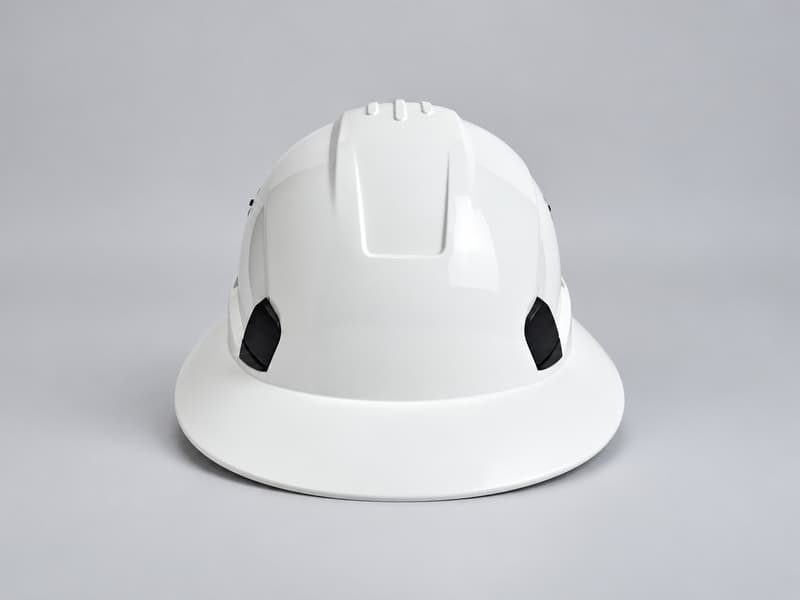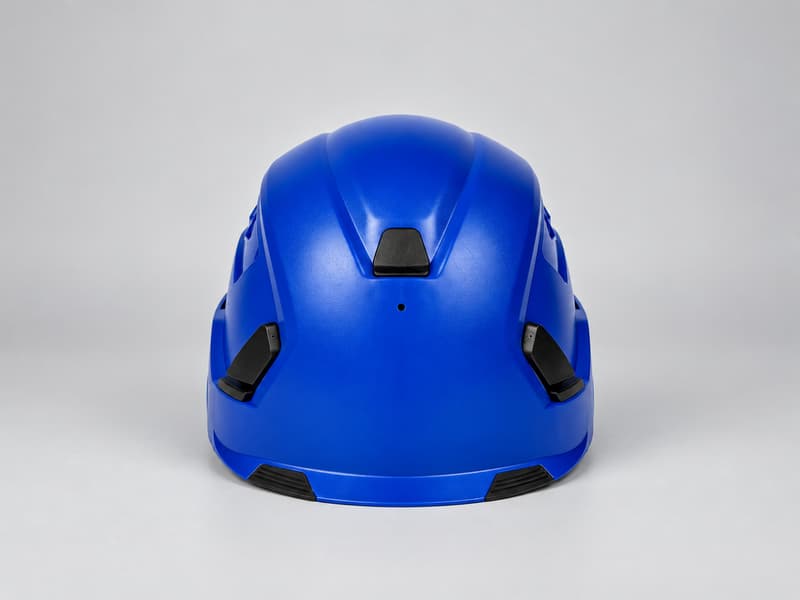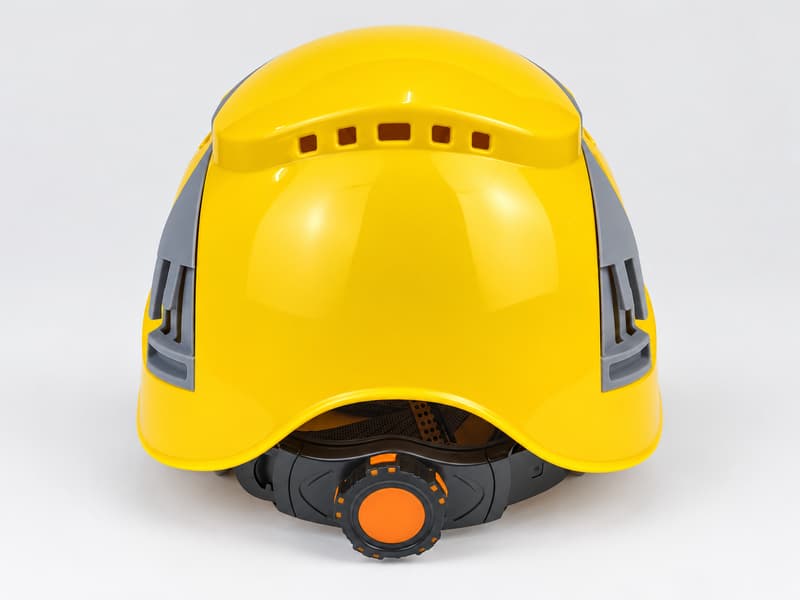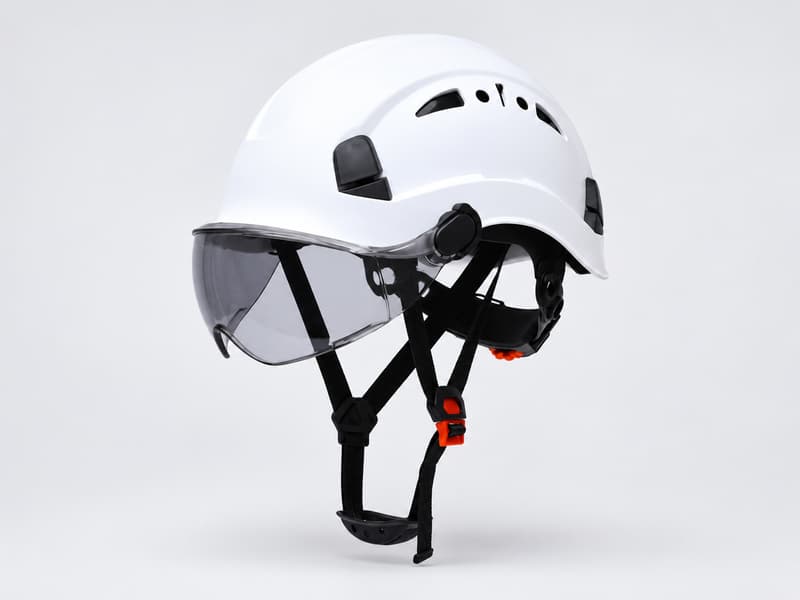
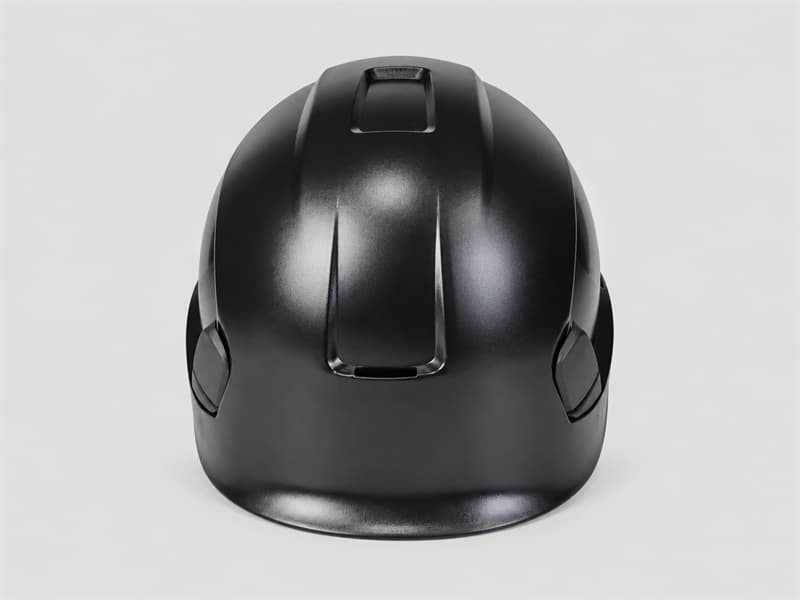
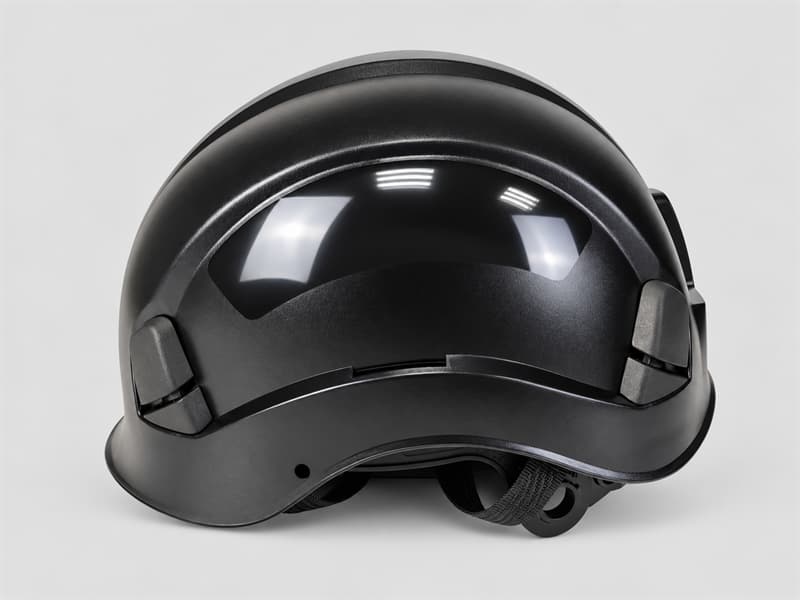
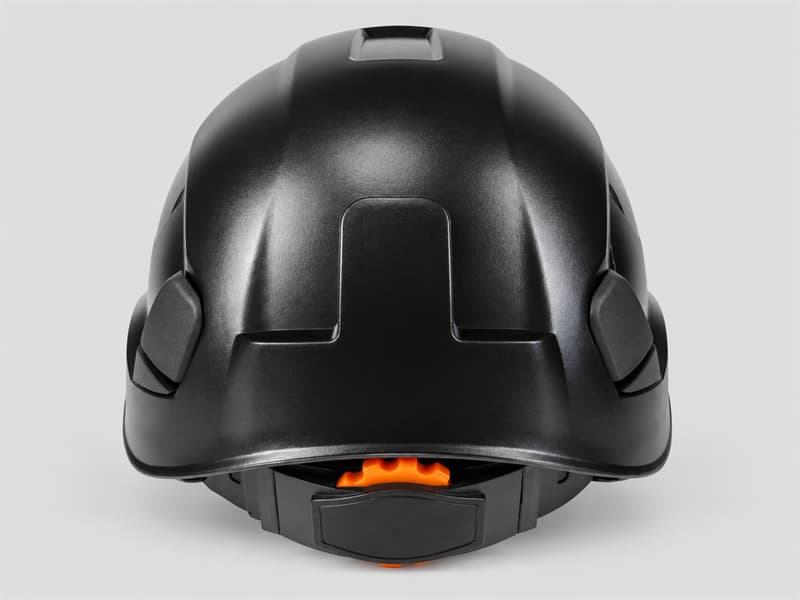
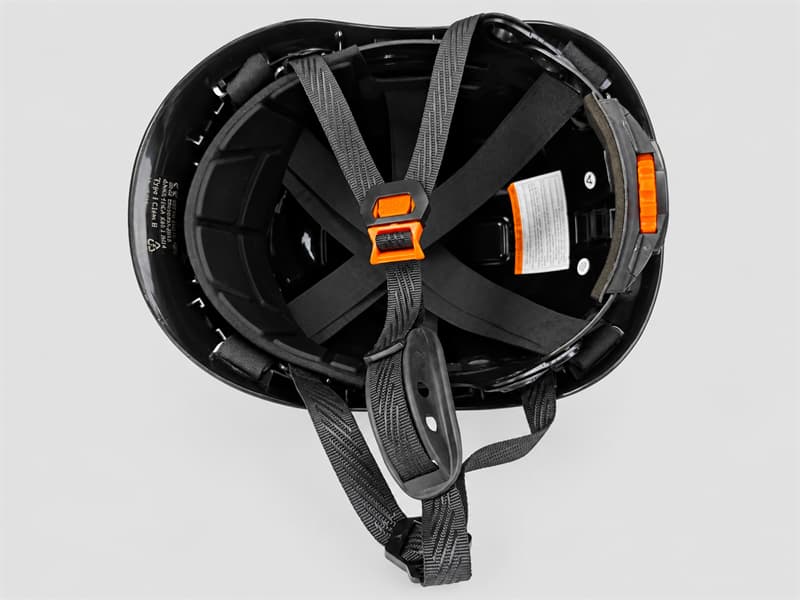
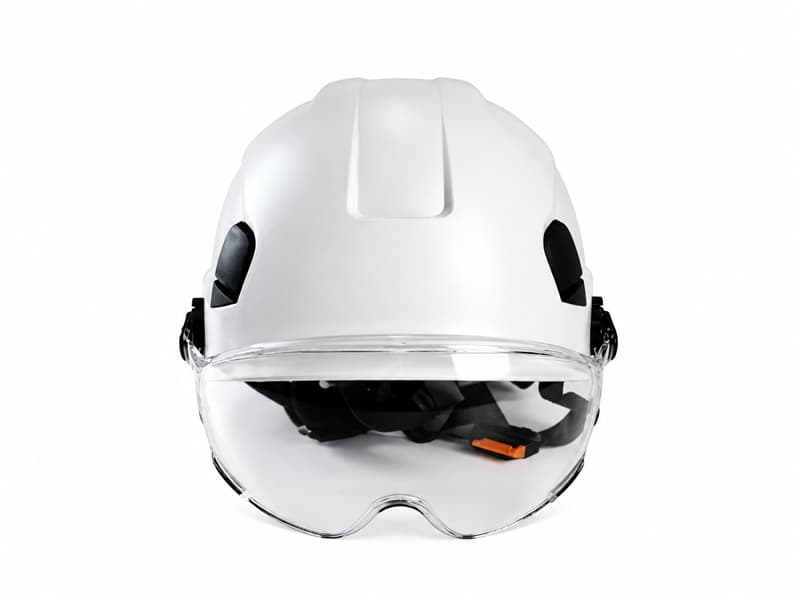
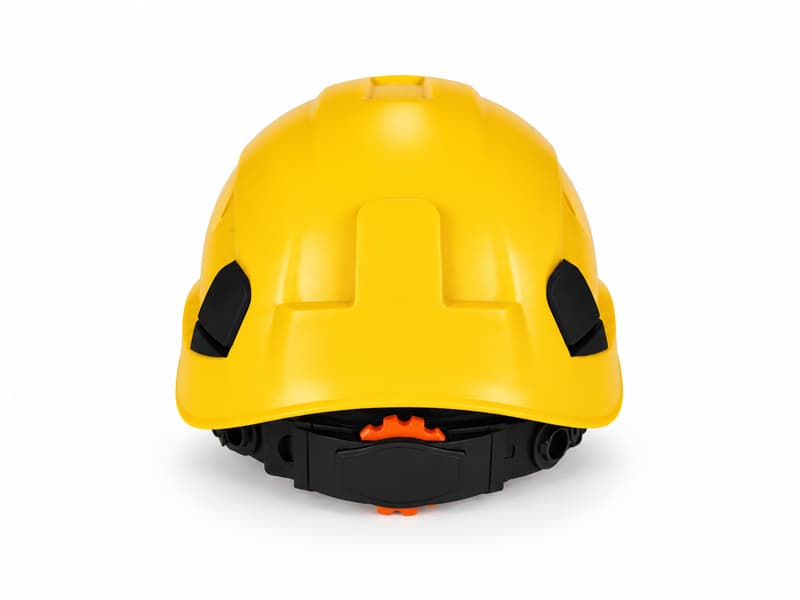
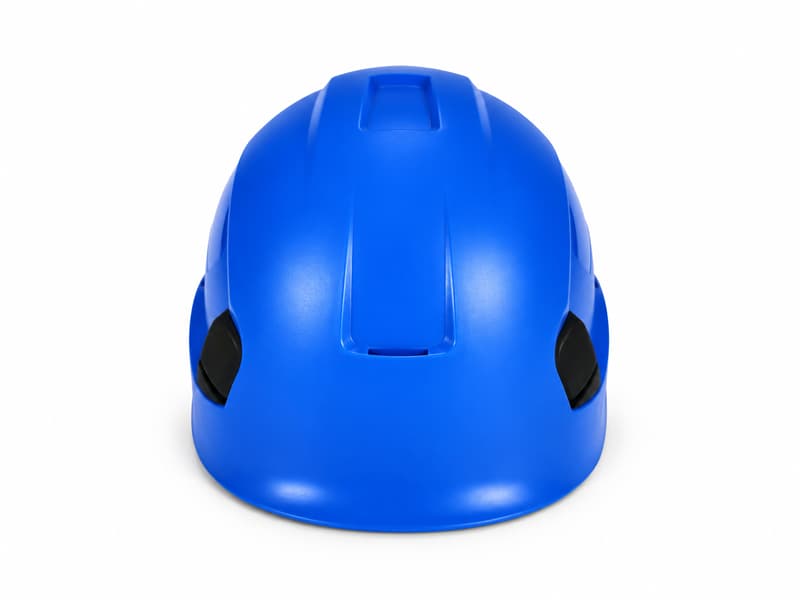
SF-06I Electrical Safety Helmet Series
Product Features:
Overview
Benefits & Features
01
Two Electrical Classes for Different Risk Levels
02
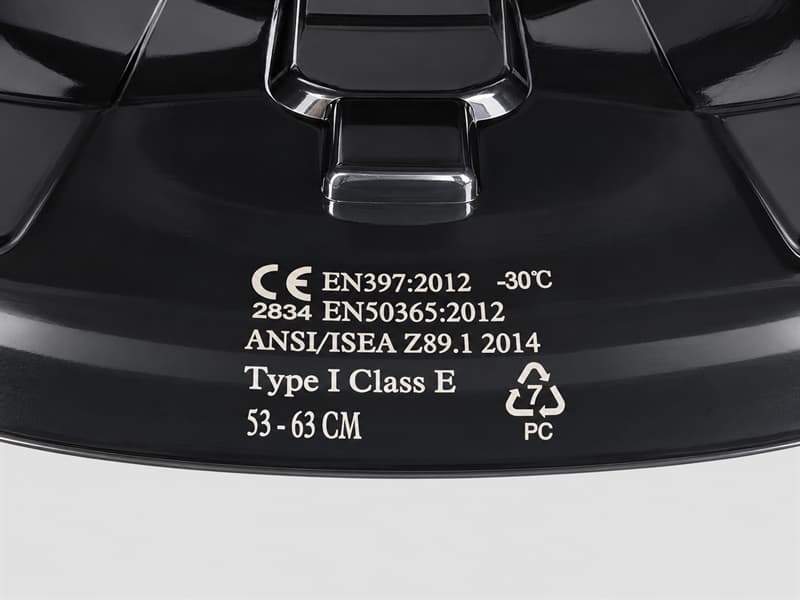
Verified Type I Head Protection
03
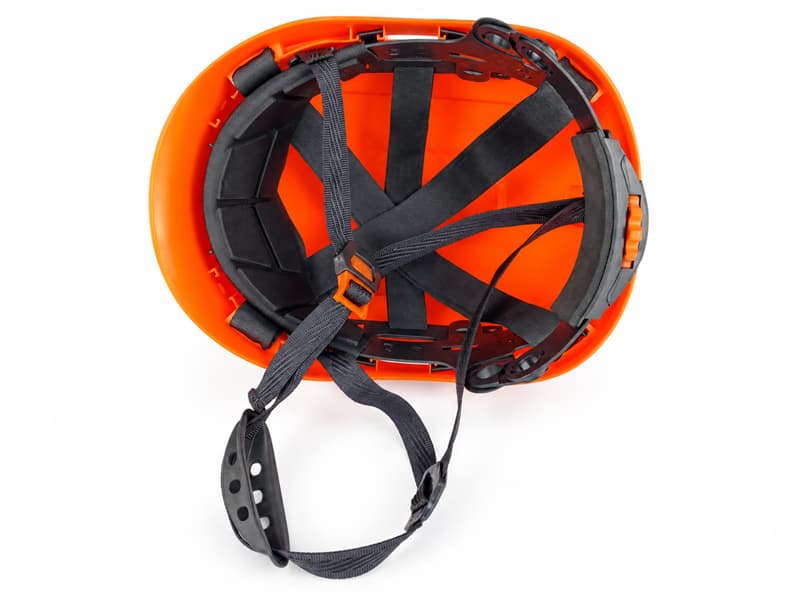
Secure Fit for Demanding Shifts
04
Controlled OEM Production
Application
FREQUENTLY ASKED QUSTIONS
What is the difference between SF-06I and SF-06I-02?
SF-06I is tested to ANSI Type I Class G at 2,200 V AC. SF-06I-02 is tested to ANSI Type I Class E at 20 kV, including a 30 kV dielectric withstand test. Their documents and markings are not interchangeable.
Which model should I choose?
Choose SF-06I when the hazard assessment requires Class G limited electrical protection. Choose SF-06I-02 when the workplace specification requires ANSI Class E. The employer or safety professional must make the final selection.
What does ANSI Type I mean?
Type I helmets are designed to reduce the force of impacts directed at the top of the head. The available reports do not establish ANSI Type II lateral-impact protection.
Are the electrical test voltages safe working voltages?
No. Test voltages are laboratory classification conditions, not recommended working voltages. Safe use depends on the workplace risk assessment, product instructions and applicable regulations.
Why are both models non-vented?
A non-vented shell helps avoid openings that could compromise the required electrical insulation configuration. Do not drill, cut or modify the helmet shell.
Do both models have EN 397 and EN 50365 documents?
The document scope differs by model. SF-06I has an EN 397 Module B certificate and separate EN 50365:2023 Class 0 laboratory testing. SF-06I-02 has model-specific EN 397 and EN 50365 evidence. Request the current document package for the selected model before ordering.
What shell material is used?
SF-06I configuration uses an ABS shell. The SF-06I-02 shell material must be confirmed against the selected certified configuration and final production BOM before ordering.
Can the helmets be used in cold environments?
The documented configurations include optional low-temperature performance down to -30°C. Confirm the applicable marking on the selected model.
Can the helmets be customized?
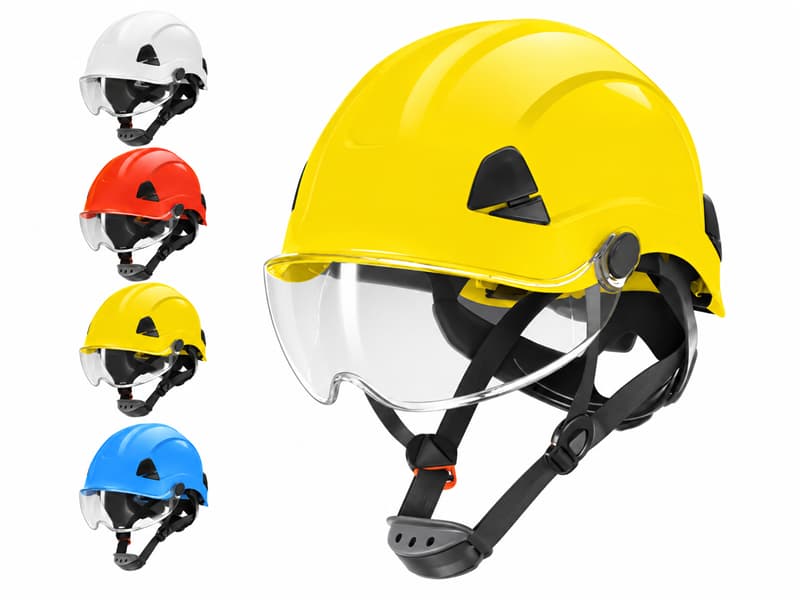
Yes. OEM options include shell color, logo, labels, selected suspension components and packaging. Compliance-sensitive components must remain consistent with the approved configuration.
Should the helmet be replaced after an impact?
Yes. Remove the helmet from service after a significant impact, even when no visible external damage is present. Never reuse a helmet with a cracked, deformed or modified shell.