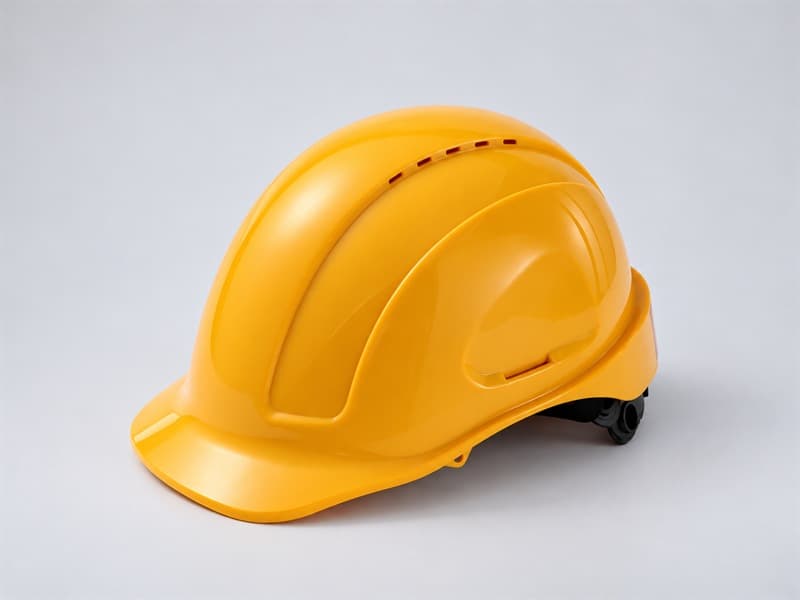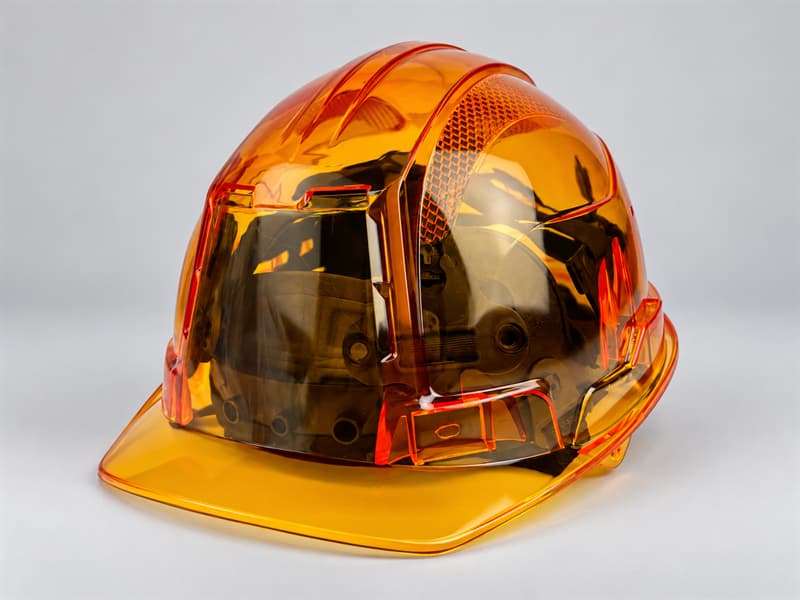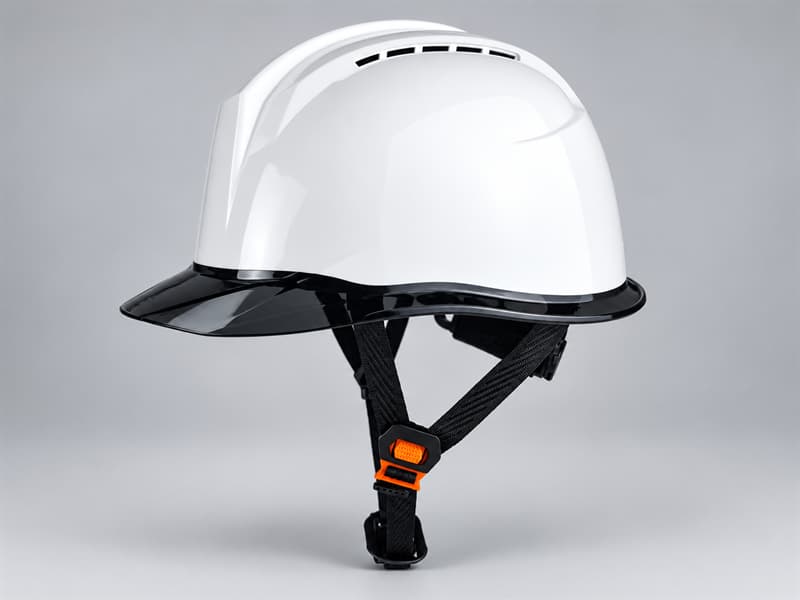
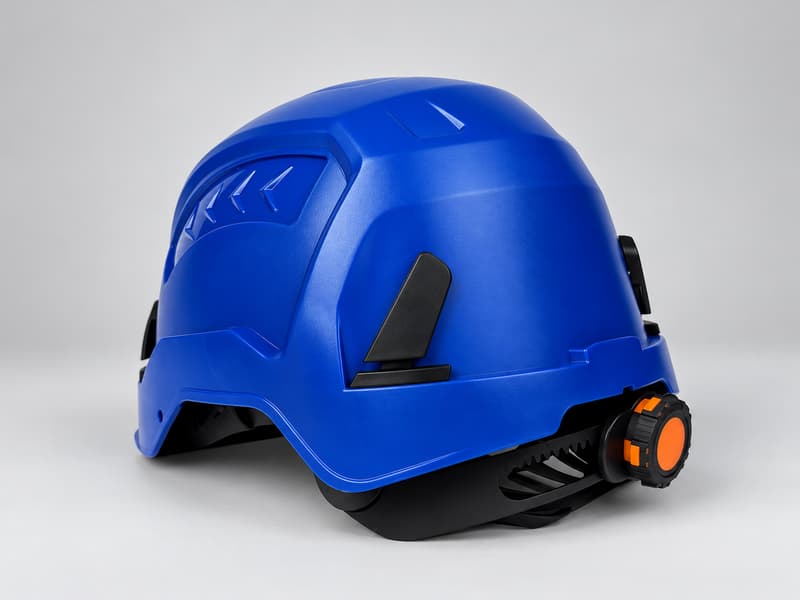
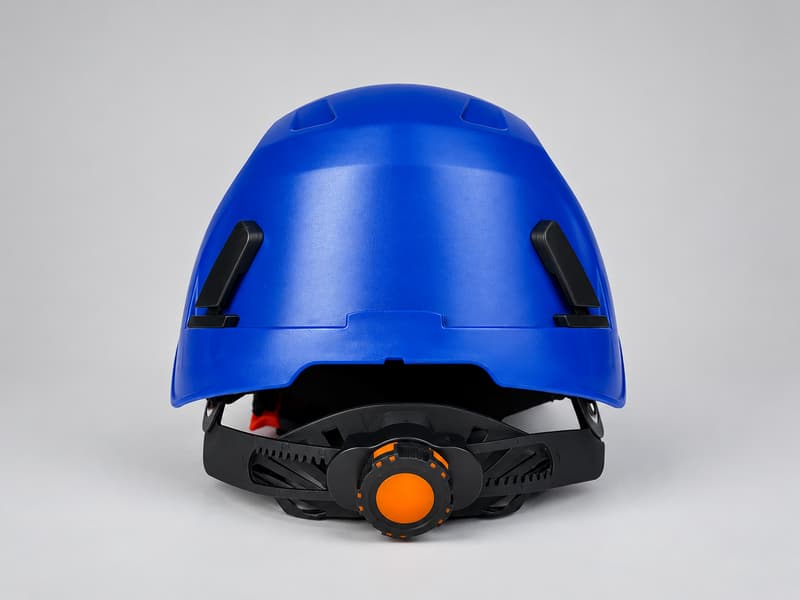
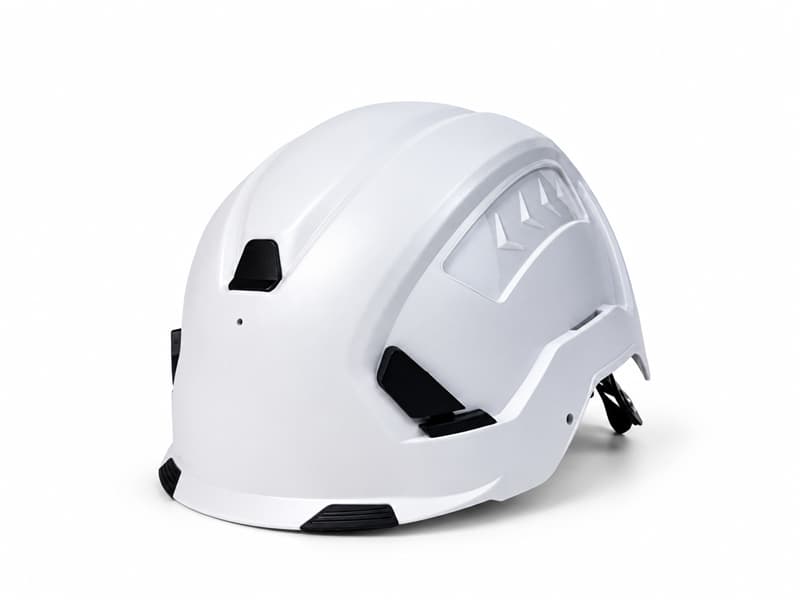
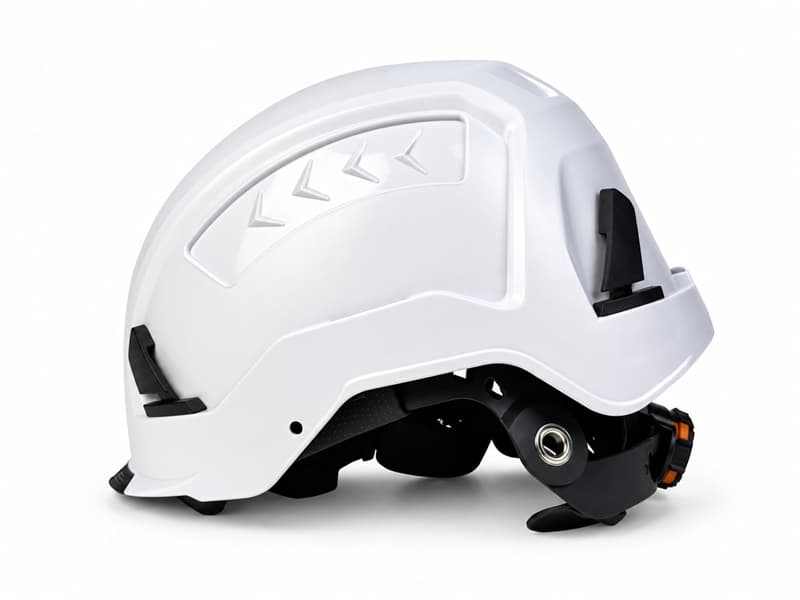
SF-10A-04 Type II Class E Industrial Safety Helmet
Product Features:
Overview
Benefits & Features
01
Multi-Directional Impact Management
02
Tested Electrical Configuration
03
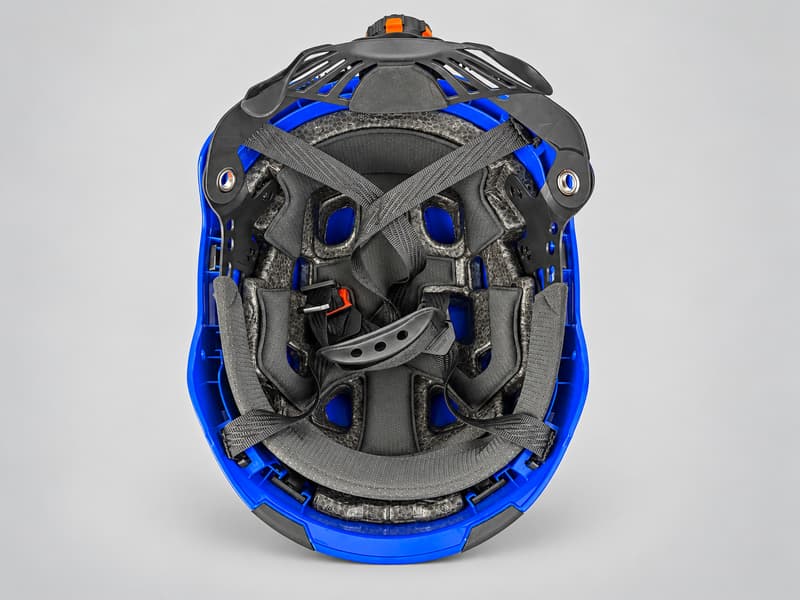
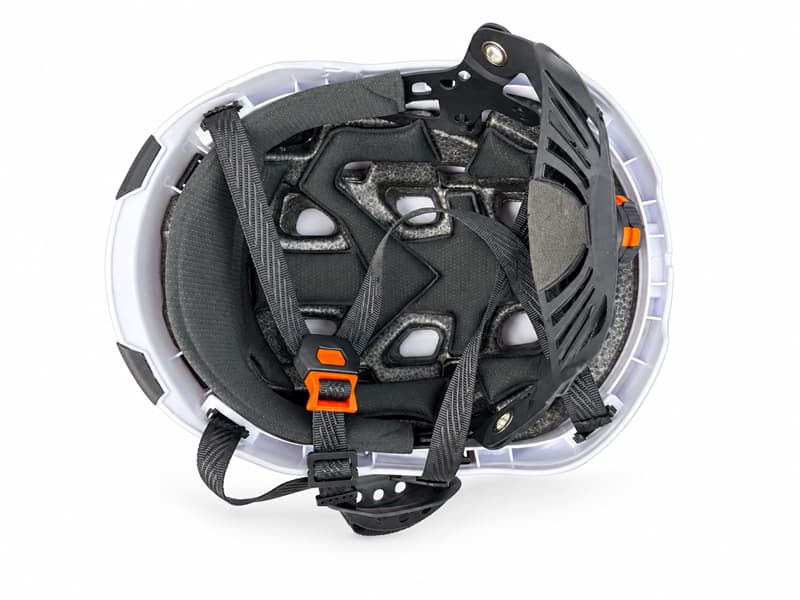
Dual-Layer Protection and Retention
04
Controlled OEM Customization
Application
FREQUENTLY ASKED QUSTIONS
Is the SF-10A-04 ANSI certified?
No. ICS report T19946-03-1 is a laboratory test report showing that the assessed configuration met relevant ANSI/ISEA Z89.1-2014 (R2019) Type II Class E performance requirements. It should be described as “tested to,” not “ANSI certified.”
What protection does ANSI Type II provide?
Type II covers crown and lateral impact hazards. The report includes top-impact tests, multi-direction impact attenuation and off-center penetration testing.
What does Class E mean?
Class E identifies electrical insulation performance. The tested configuration completed a 20,000 V test for three minutes and a 30,000 V no-burn-through check.
Can ventilation holes be added?
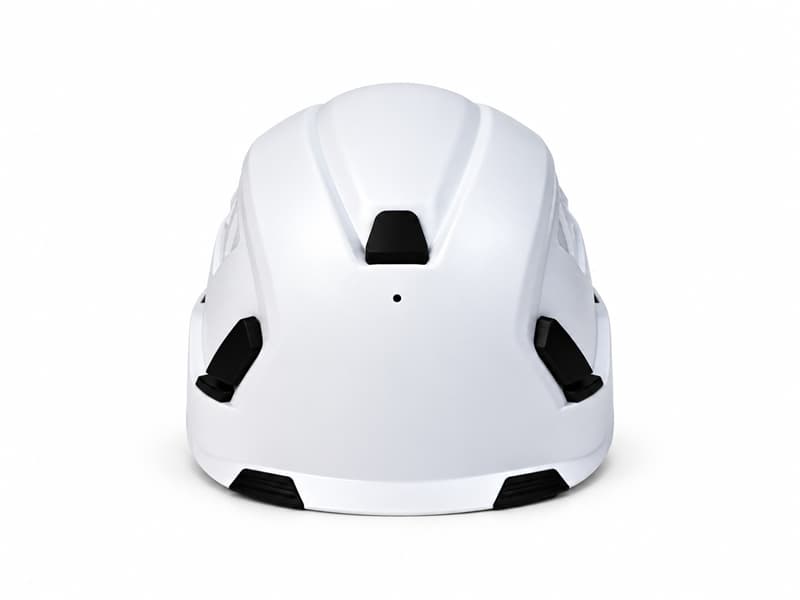
Ventilation holes should not be added to the Class E configuration. Openings or structural changes may reduce electrical insulation and invalidate the tested configuration.
Can workers use it for direct contact with live conductors?
No. Class E performance does not make the helmet safe for intentional contact with energized conductors. Workers must still follow approved electrical safety procedures and use the required insulated PPE and tools.
What configuration was tested?
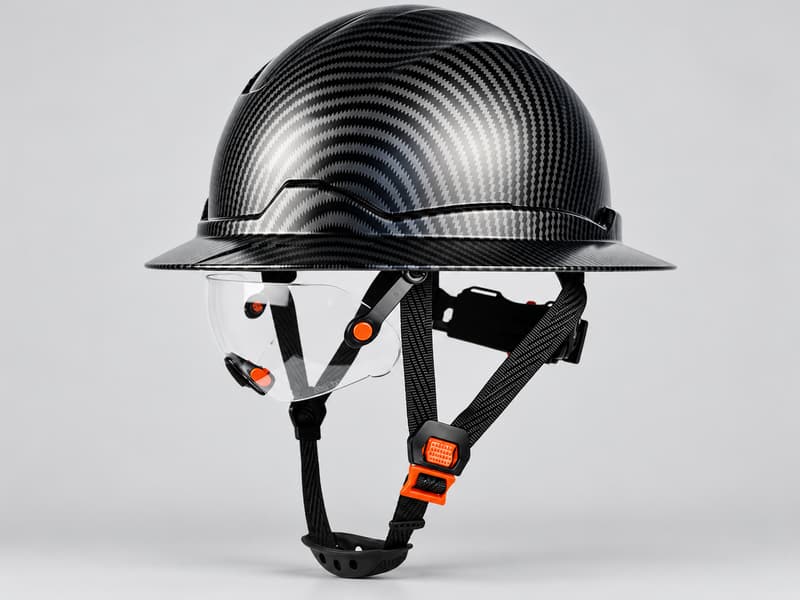
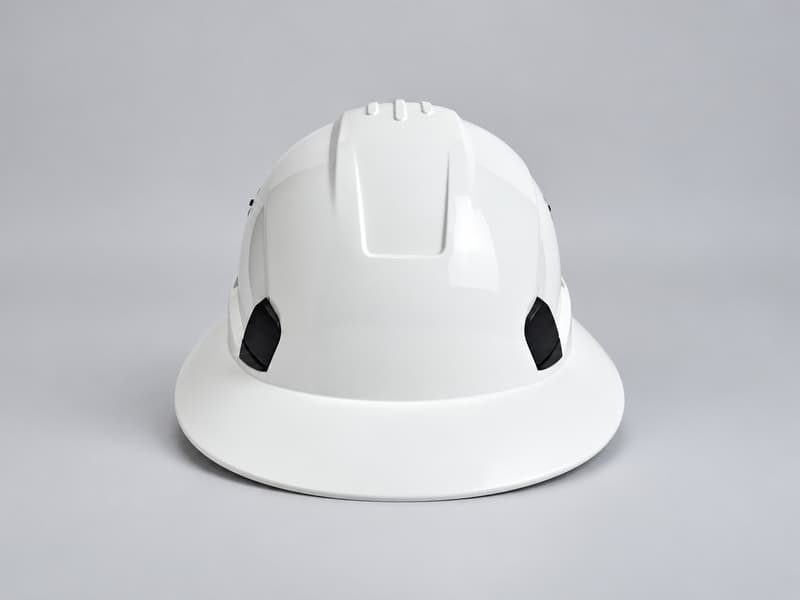
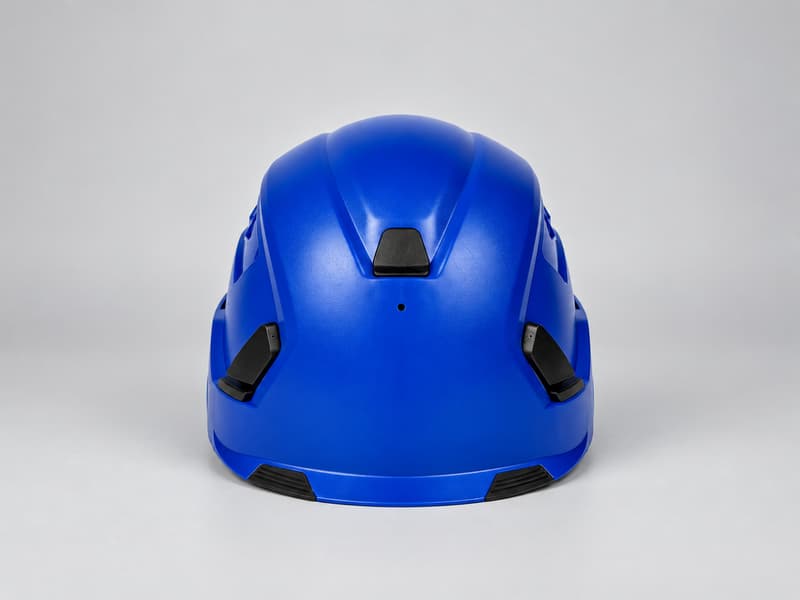
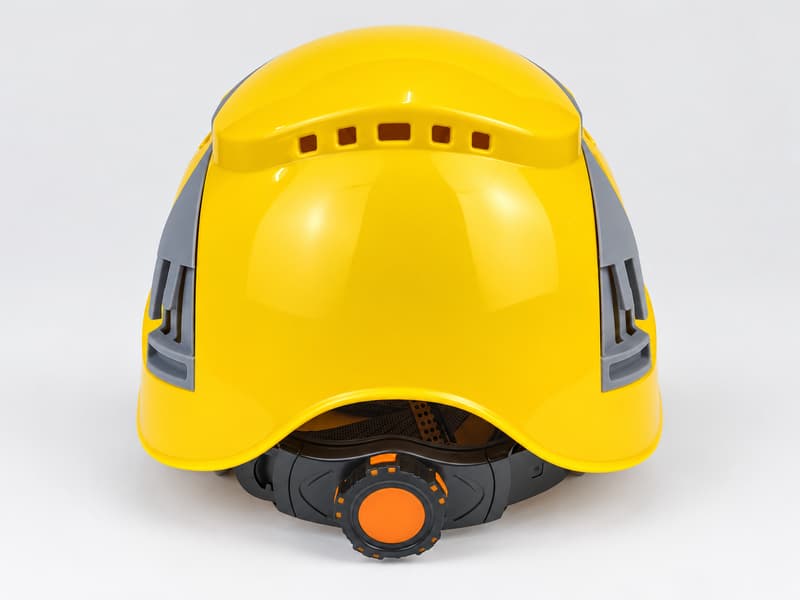
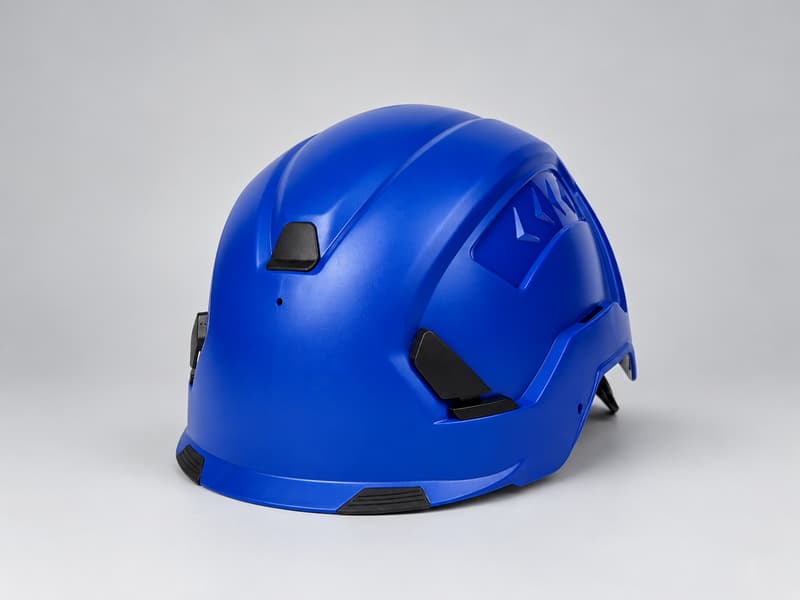
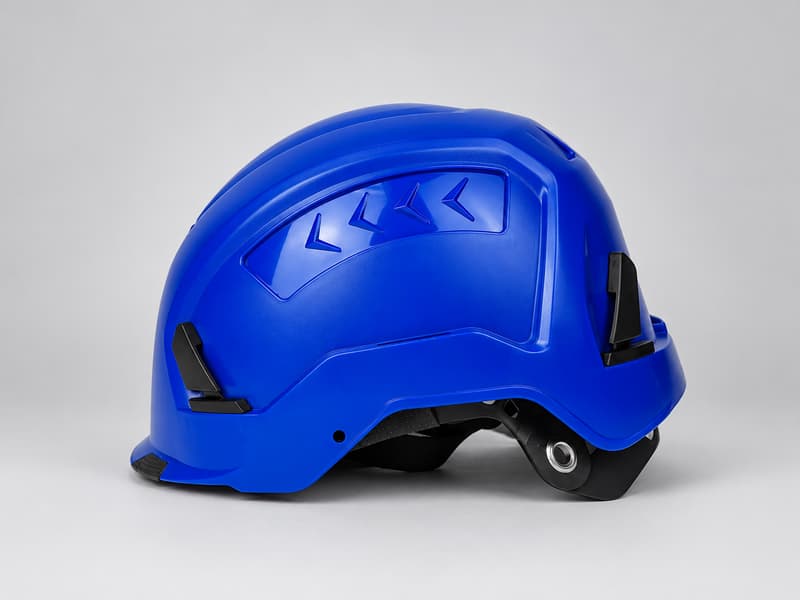
The assessed samples used a blue, non-vented shell, a 4-point ratchet suspension and a chin strap with chin cup.
Can the color, logo or accessories be customized?
Customization can be reviewed for OEM and project orders. Colors, coatings, reflective films, headlamps, goggles and earmuffs must be confirmed against the ordered configuration and their applicable test evidence.
What does the impact-absorbing liner do?
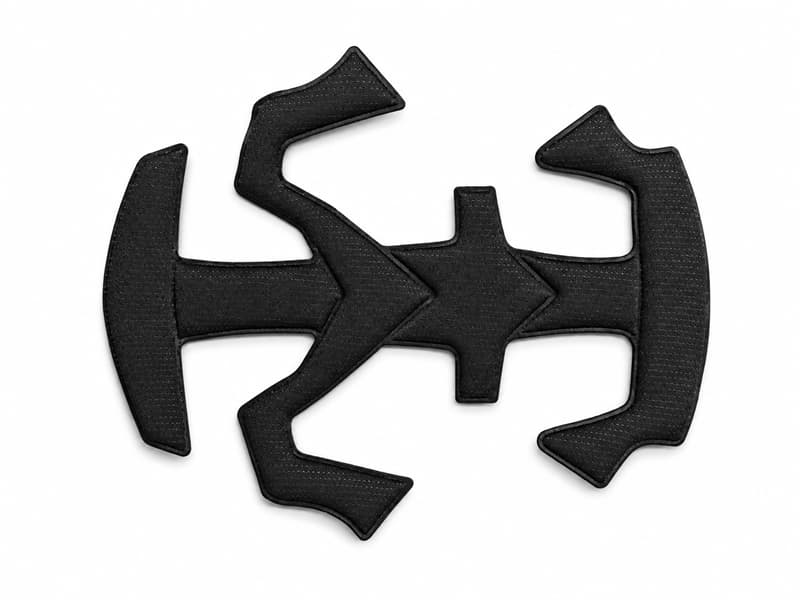
The liner helps absorb and distribute energy from crown and lateral impacts. It works together with the suspension system rather than replacing it.
Should the helmet be replaced after an impact?
Remove the helmet from service after a significant impact, even if external damage is not obvious. Replace it according to the manufacturer’s inspection and replacement instructions.
Can the foam liner be cut or modified?
No. Cutting, drilling, sanding or removing sections of the liner may reduce impact protection and invalidate the tested configuration.
Can paint, glue or solvents be applied to the helmet?
Use only manufacturer-approved products. Unapproved paints, solvents and adhesives may damage the shell or liner and affect impact or electrical performance.